
You want more protein in meals without changing taste, and you don't have hours to experiment. Learning how to increase protein in recipes without changing taste helps you hit goals while keeping family favorites intact. This guide gives fast, practical swaps, exact amounts, and easy techniques you can use today to boost protein without altering texture or flavor. Read on and pick the tips you'll try first.
What You'll Need (Ingredients & Tools for High-Protein Swaps)
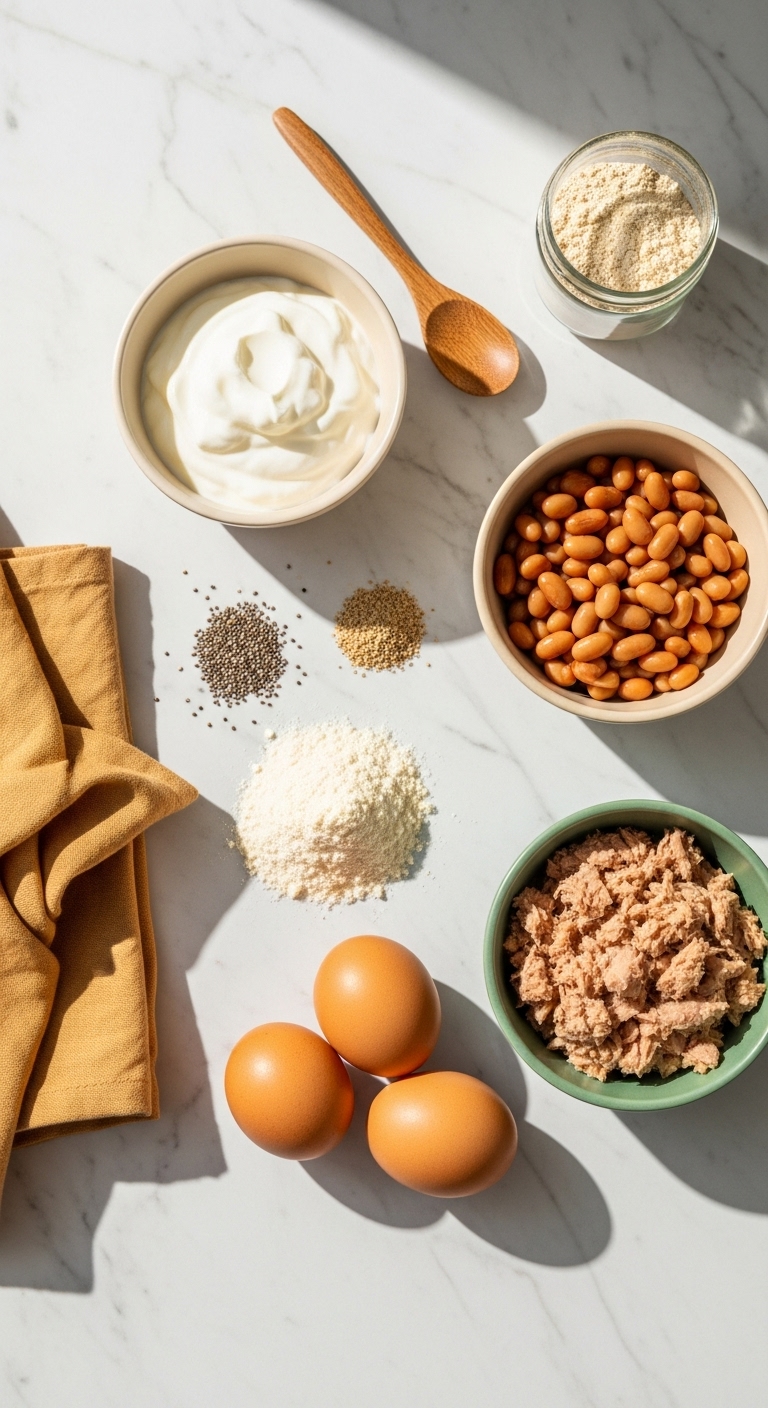
Start with pantry staples that blend into recipes. Stock these versatile protein boosters:
- Greek yogurt (plain, full-fat or 2%): 1/4–1/2 cup per serving replaces some cream or butter.
- Canned tuna or salmon: 1 can (5–6 oz) adds 20+ g protein.
- Silken tofu: 1/4–1/2 cup for smoothies or sauces.
- Unflavored whey or pea protein powder: 1–2 tbsp per serving.
- Chickpeas, lentils, white beans: 1/2 cup cooked as binder or base.
Tools you’ll need: - Digital scale, measuring spoons, blender, and fine mesh sieve.
Choose High-Protein Swaps That Keep Flavor
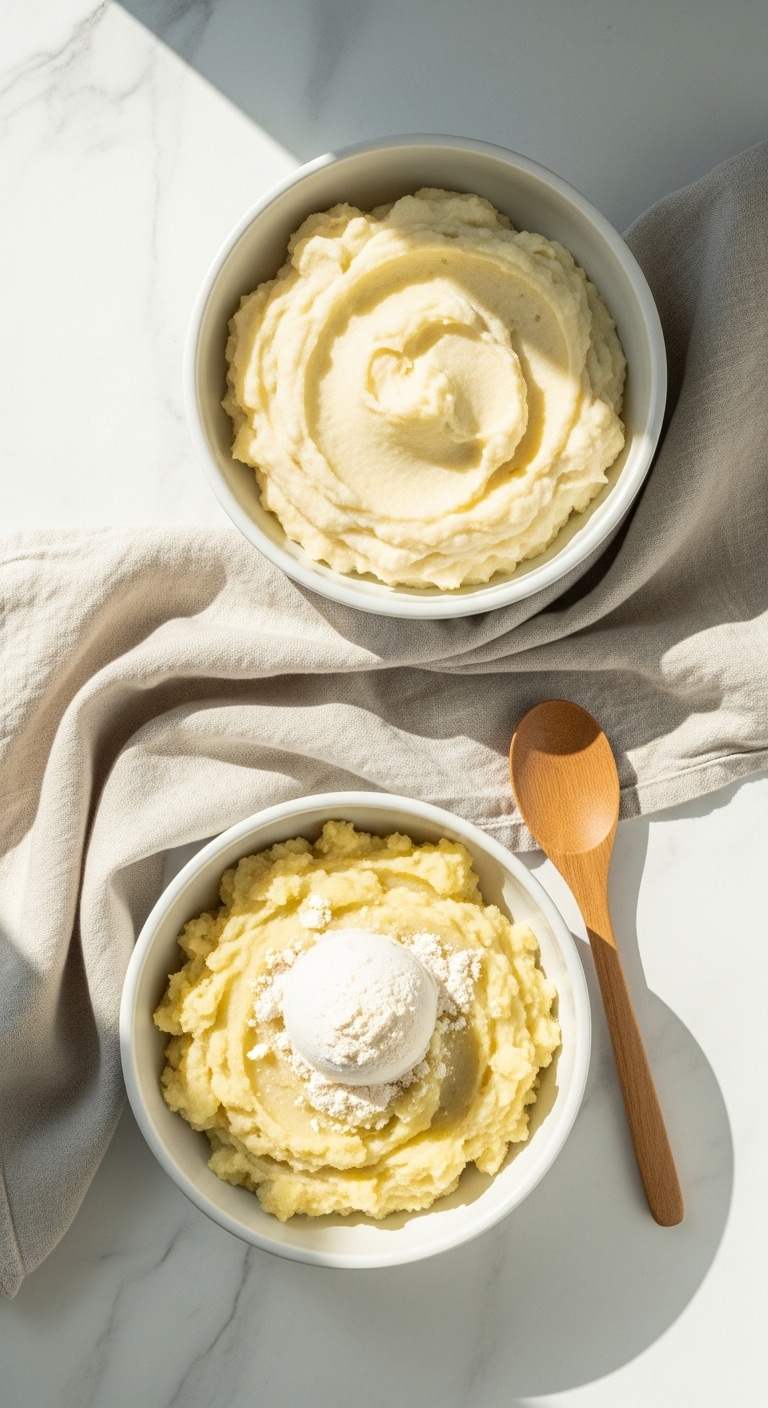
Pick swaps that match texture and flavor. Try these simple swaps:
- Replace half the oil or butter in a savory bake with Greek yogurt for creaminess and +5–8 g protein per 1/2 cup.
- Stir 1/4 cup mashed white beans into pasta sauce for thickness and +6–8 g protein.
- Add 1 tbsp ground chia or flax seed to smoothies or batters for an extra 2–3 g protein.
- Mix 1–2 tbsp unflavored protein powder into batters, soups, or pancake mix.
Tips:
- Start with small amounts—1 tbsp of powder per serving—and taste.
- Use unsalted/unsweetened boosters to avoid flavor shift.
Warning: too much powder can make batter dry. Add 2–4 tbsp liquid per tablespoon of powder to balance.
Add Protein Without Changing Taste (Techniques & Measurements)
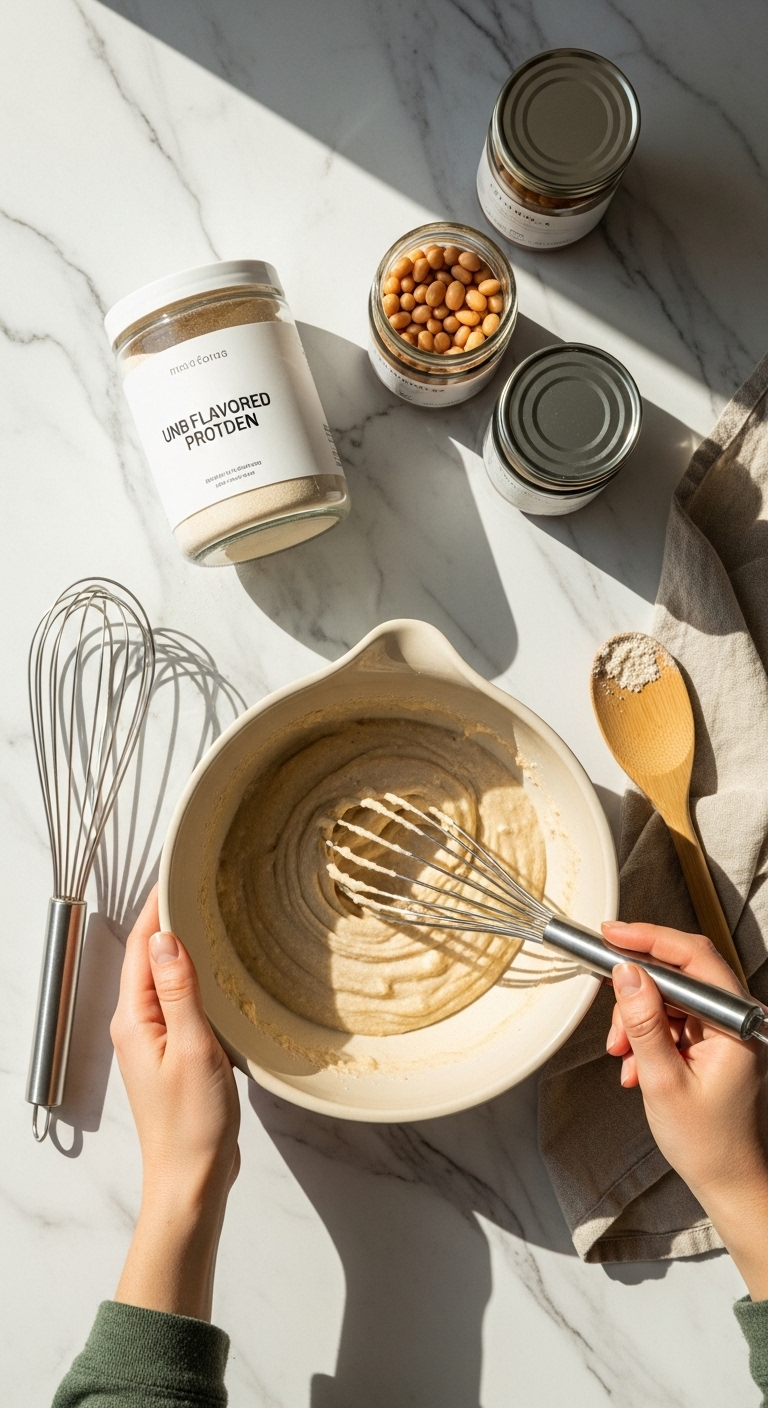
Use these techniques depending on recipe type:
- Smoothies & Drinks: Add 1/2 cup Greek yogurt or 1–2 tbsp protein powder. Blend 30–45 seconds for silky texture.
- Baking (muffins, pancakes): Replace 10–20% of flour with almond flour or 1–2 tbsp protein powder. Bake 2–4 minutes longer if needed.
- Sauces & Dips: Puree 1/2 cup white beans into tomato or cream sauces. Heat gently for 5–7 minutes.
- Soups & Stews: Stir in 1 cup cooked lentils for every 4 cups soup during last 10 minutes of simmer.
Quick rules: - Measure protein additions by weight when possible—10–20 g per serving is a good target.
- Taste as you go and adjust acidity or salt to mask subtle changes.
Serving, Storage, and Troubleshooting Common Issues
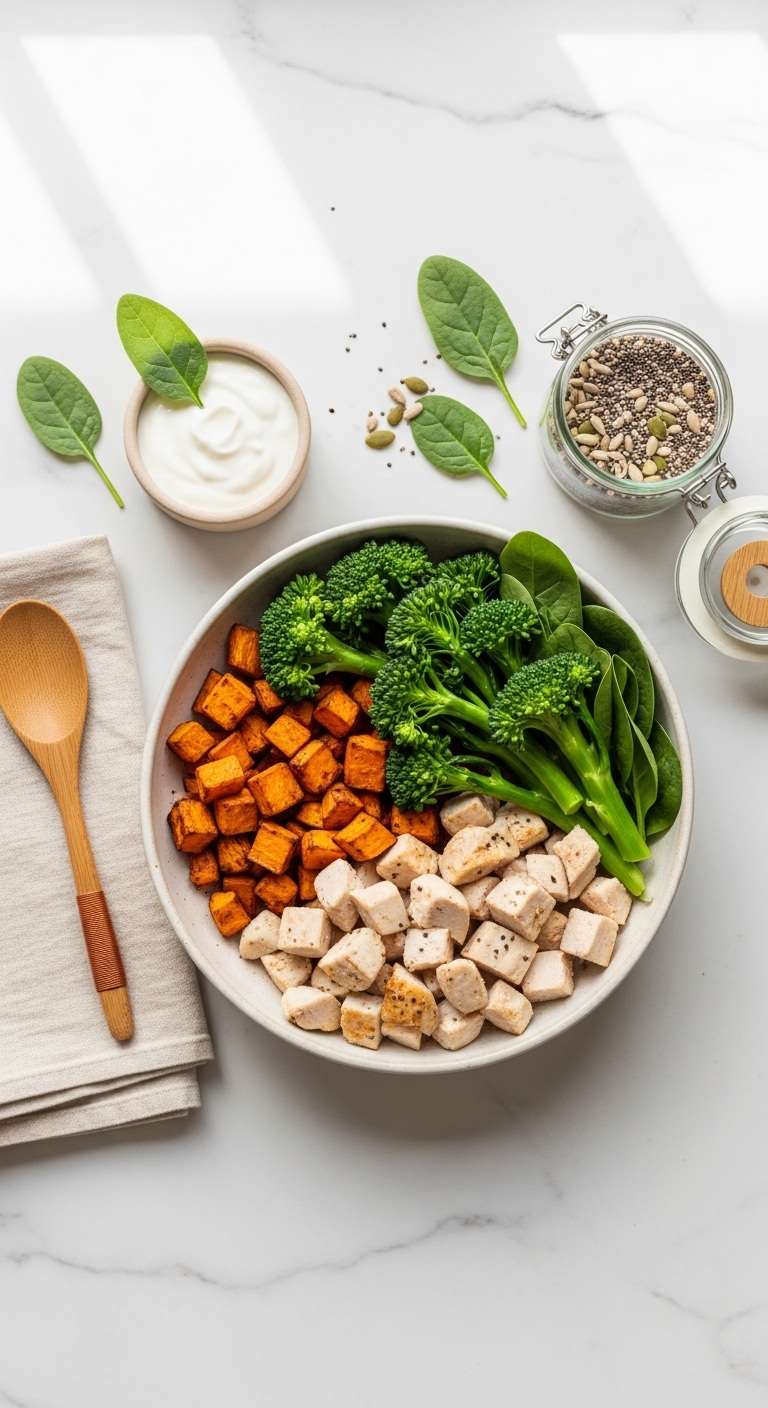
Serve and store smartly:
- Refrigerate protein-boosted foods within 2 hours, keep for 3–4 days.
- Freeze portions for up to 3 months, label with date and protein source.
Troubleshooting: - If texture gets grainy, add 1–2 tbsp liquid and blend.
- If flavor shifts slightly, stir in 1 tsp lemon juice or 1/4 tsp salt to balance.
- Too dense? Reduce protein swap by 10–20% next time.
Creative swaps to try: - Mix cottage cheese into mashed potatoes for creaminess and +12 g per 1/2 cup.
- Use edamame in salads for a crisp, neutral taste and +8–10 g per 1/2 cup.
You just learned how to increase protein in recipes without changing taste using simple swaps and exact amounts. Try one swap in tonight's meal and note the difference. Pin this guide for later and share with friends who want easy protein fixes. Which one will you try first? Ready to make this happen? Let's do it!